China’s innovative drugs sector is accelerating global collaboration through policy support, clinical progress, and expanding outbound licensing activity.
Pharma Insight: Intensifying Competition in Innovative Drugs Driven by Policy and Clinical Progress
Against the backdrop of a rapidly evolving global pharmaceutical landscape, China’s innovative drugs sector is transitioning from a participant to a key contributor. As a bridge between Chinese innovation and global clinical demand, DengYueMed continues to monitor industry dynamics and cross-border pharmaceutical trends, helping international healthcare providers and research institutions better understand the Chinese innovation ecosystem.
1. Key Medical Highlights
In early April 2026, China’s pharmaceutical industry maintained its recovery momentum, with innovative drugs standing out as a major growth driver.
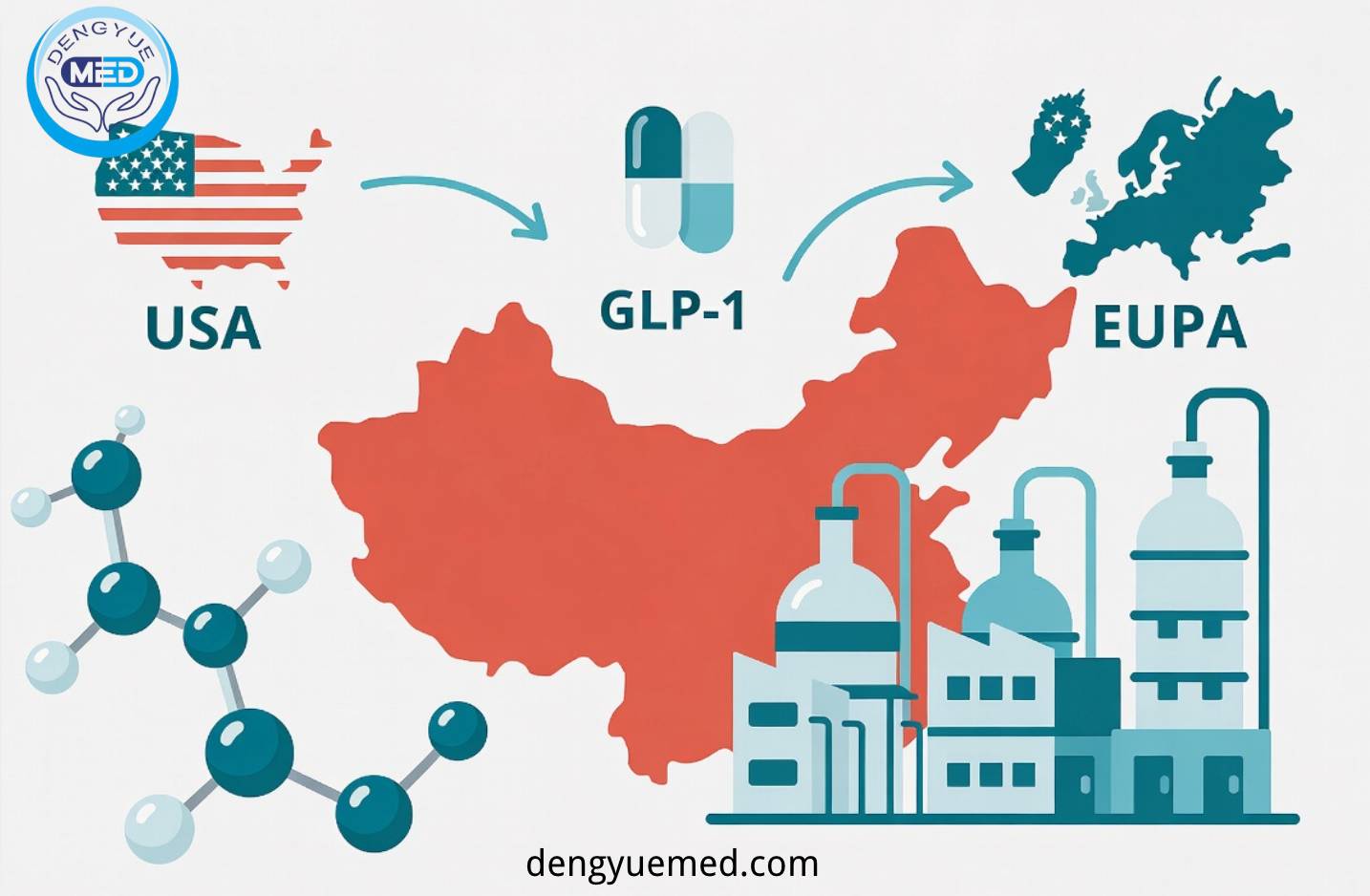
Multinational pharmaceutical companies are increasingly engaging with Chinese assets, with outbound licensing (BD) deals exceeding $60 billion in Q1 alone — nearly half of the total for 2025. Both deal structure and upfront payments have shown significant improvement.
Meanwhile, the updated National Reimbursement Drug List (NRDL) has been implemented, improving oncology outpatient reimbursement and further optimizing the “dual-channel” system. These changes continue to enhance access to Chinese innovative drugs across healthcare settings.
China now accounts for approximately 30% of the global drug development pipeline. In 2025, 76 innovative drugs were approved, including several First-in-Class therapies. This trend continues into 2026, reflecting a systemic upgrade in R&D capabilities.
2. BD Trends: Deepening Global Collaboration
China’s outbound licensing activity in innovative drugs has expanded significantly, covering areas such as:
- ADCs
- Bispecific antibodies
- Small molecules
- Cell therapies
The nature of these deals is evolving from volume-driven to data-driven, supported by stronger clinical validation.
Recent collaborations in oncology and targeted therapy highlight growing global recognition of China’s:
- R&D efficiency
- Patient resources
- Clinical execution capabilities
Industry observers note that BD activity is shifting toward a phase where clinical data plays a decisive role. While uncertainty remains around outcomes, the globalization of Chinese innovative drugs continues to accelerate.
3. Policy Environment: Improving Access and Regulatory Clarity
The implementation of the updated NRDL has improved patient access to innovative drugs, particularly in oncology.
The integration of outpatient reimbursement and dual-channel distribution mechanisms helps address long-standing access barriers.
Continuous regulatory improvements include:
- Accelerated approval pathways
- Conditional approval mechanisms
- Breakthrough therapy designation
- Clearer frameworks for data protection
- Market exclusivity support
- Policy support for medical device innovation
- Biomanufacturing incentives
These developments provide a more predictable environment for pharmaceutical companies and support the long-term growth of innovative drugs.
4. Clinical and Academic Progress: Key Conference Catalysts
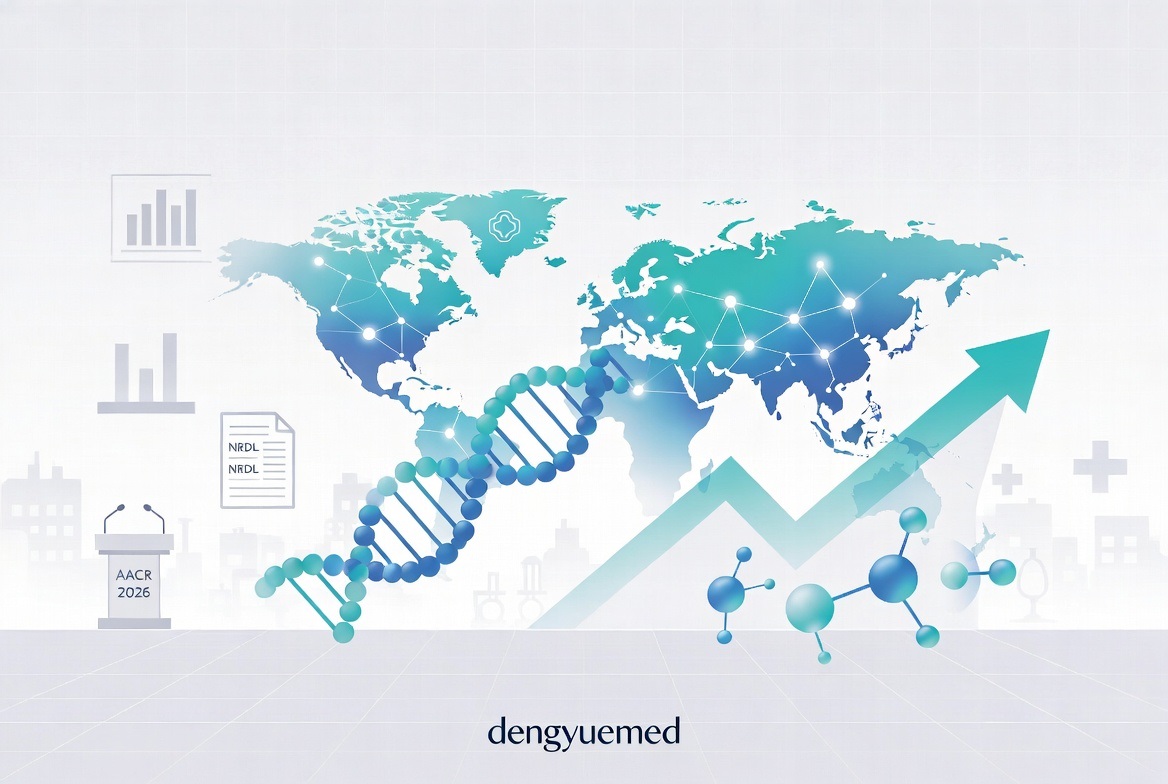
The upcoming AACR Annual Meeting in mid-April is expected to become a major catalyst, with multiple Chinese companies presenting data on:
- ADCs
- Immunotherapy
- Cell therapies
This will be followed by the ASCO Annual Meeting in May, continuing the momentum of clinical data releases.
Recent approvals and clinical advancements also reflect improved regulatory efficiency.
At the same time, financial reports from leading biotech firms show increasing revenue contributions from innovative drugs, indicating stronger commercialization capabilities.
5. Industry Perspective: Structural Opportunities Ahead
As competition intensifies, the innovative drugs sector is becoming more stratified.
Companies with strong pipelines and commercialization capabilities are gradually distinguishing themselves.
Key areas of focus include:
- Pipelines with clear clinical pathways
- Late-stage assets approaching key data readouts
- Platforms with global partnership potential
At the same time, supporting ecosystems — including clinical research services, global distribution frameworks, and digital supply systems such as China pharmacy wholesale online models — are evolving alongside the industry.
Public awareness around diseases is also increasing, reflecting a broader shift toward:
- Early detection
- Patient education
- Precision healthcare awareness
In parallel, attention to specific therapies and products continues to grow globally.
Conclusion
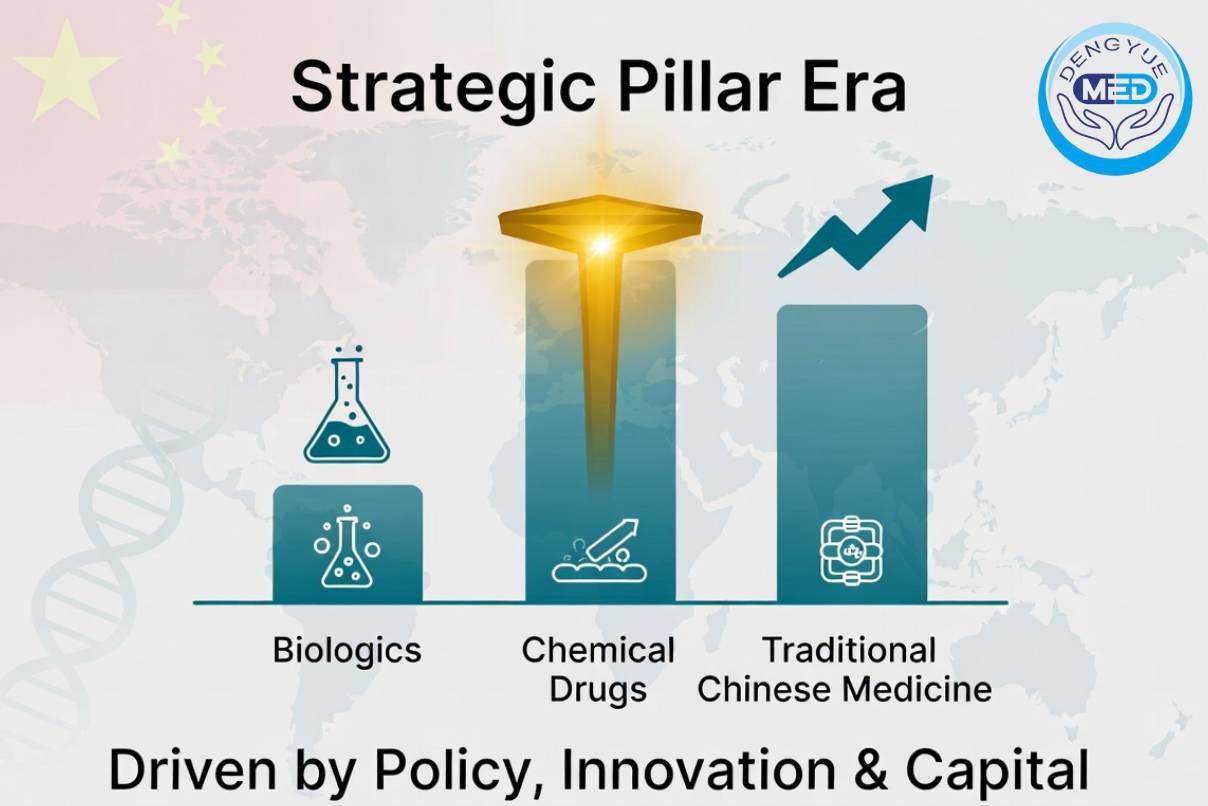
Driven by policy support, clinical progress, and global collaboration, China’s innovative drugs sector is entering a phase focused on quality and efficiency.
The importance of Chinese innovation in the global healthcare system continues to rise.
In this context, platforms like DengYueMed play an increasingly important role by facilitating information exchange and supporting connections between Chinese pharmaceutical innovation and global clinical needs — contributing to a more integrated and transparent healthcare ecosystem.