As global demand for GLP-1 therapies surges, the peptide API industry is rapidly transitioning from small-scale synthesis to industrialized manufacturing.
The Global GLP-1 Capacity Race: Why the Peptide API Industry Is Entering the Industrialization Era
Over the past few years, GLP-1 drugs have rapidly expanded from the field of diabetes treatment into weight management, metabolic syndrome, and long-term chronic disease management, gradually becoming one of the fastest-growing sectors in the global pharmaceutical industry.
From Semaglutide and Tirzepatide to the highly anticipated triple agonist Retatrutide, GLP-1 therapies are not only reshaping the global obesity market, but also driving a new phase of transformation across the entire peptide industry chain.
Unlike traditional peptide drugs that mainly served niche therapeutic markets, GLP-1 products are targeting a massive global chronic disease population. As more patients begin using these therapies over long periods of time, the industry is facing a challenge it has never truly encountered before:
Industrial-scale peptide manufacturing.
In the past, discussions around the peptide sector focused primarily on innovative molecules, clinical development, and drug targets. Today, however, the core competition is gradually shifting toward a far more practical question:
Who can provide stable and scalable peptide production capacity?
As a result, many leading pharmaceutical and CDMO companies around the world are accelerating investments in peptide active pharmaceutical ingredient (API) manufacturing facilities.
Capital, technology, and supply chain resources are increasingly flowing into the GLP-1 sector. Industry reports suggest that global peptide manufacturing investments exceeded $2 billion in 2026 alone, while overall GLP-1 API production capacity could potentially triple over the next few years.
At the same time, continuous flow synthesis, automated SPPS systems, and AI-driven quality control are becoming key trends in next-generation peptide manufacturing facilities.
Why Is GLP-1 Reshaping the Entire Peptide Industry?
For many years, peptide drugs were considered a highly specialized but relatively limited market. Traditional peptide therapeutics were mainly used in oncology, hormone therapies, and rare diseases, where patient populations remained relatively small.
As a result, the industry traditionally operated under a:
“small-volume, high-value” manufacturing model.
Under this model, peptide API companies focused primarily on complex molecule synthesis and ultra-high purity control, rather than large-scale commercial manufacturing capabilities.
The rise of GLP-1 drugs has fundamentally changed this logic.
Unlike conventional peptide therapies, GLP-1 drugs target large-scale chronic disease markets such as diabetes, obesity, and metabolic disorders.
In particular, as demand for weight management therapies continues to grow worldwide, GLP-1 products are gradually moving beyond specialized medical use and entering mainstream healthcare markets.
More importantly, many patients require long-term or even lifelong treatment, which dramatically changes the demand structure for peptide raw materials.
In the past, the industry mainly discussed:
- Kilogram-scale production
Today, companies are beginning to discuss:
- Ton-scale demand
This shift does not simply represent an increase in orders.
It signals that the peptide industry is moving from traditional small-scale complex synthesis toward true industrial-scale manufacturing.
Bachem has publicly stated that GLP-1 demand is driving a new expansion cycle for the global peptide manufacturing industry, with market demand expected to continue growing rapidly in the coming years.
Why Are Global Peptide Companies Expanding So Aggressively?
As GLP-1 demand continues to surge, several major international peptide manufacturers have entered an unprecedented expansion phase.
Behind this wave of expansion lies a broader competition for future control of the global peptide supply chain.
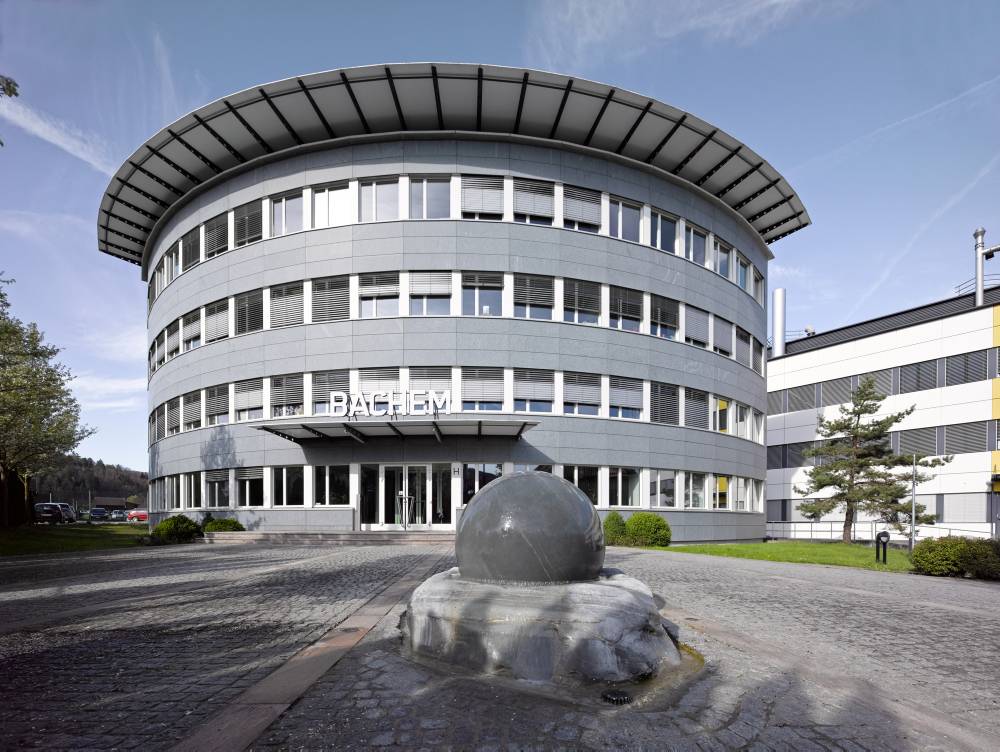
As one of the world’s leading peptide manufacturing companies, Bachem has been continuously expanding its facilities in Switzerland and the United States while strengthening its commercial GLP-1 API capabilities.
The company believes that future demand for GLP-1 peptides will far exceed that of traditional peptide products, making large-scale commercial manufacturing infrastructure essential.
Meanwhile, CordenPharma has announced plans to invest approximately €900 million in the United States and Europe to build large-scale peptide manufacturing platforms and next-generation production facilities.
For the industry, investments of this magnitude are no longer simply about business expansion — they represent strategic positioning for future GLP-1 supply dominance.
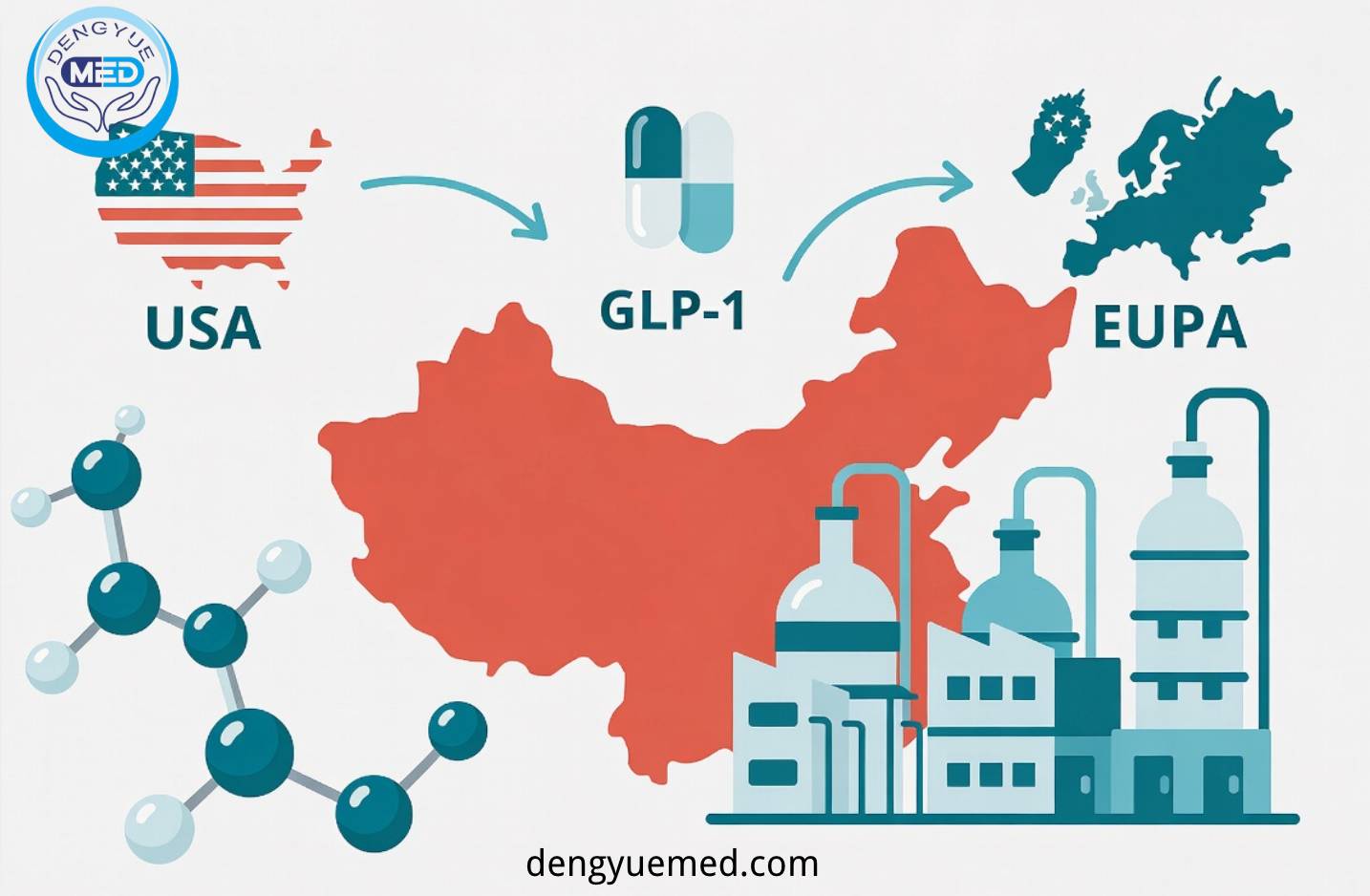
Beyond Europe and the United States, Asian companies are also rapidly joining this global “capacity race.”
Samsung Biologics has identified peptides as an important future direction within its CDMO strategy and aims to enter the GLP-1 market through integrated biologics and peptide manufacturing capabilities.
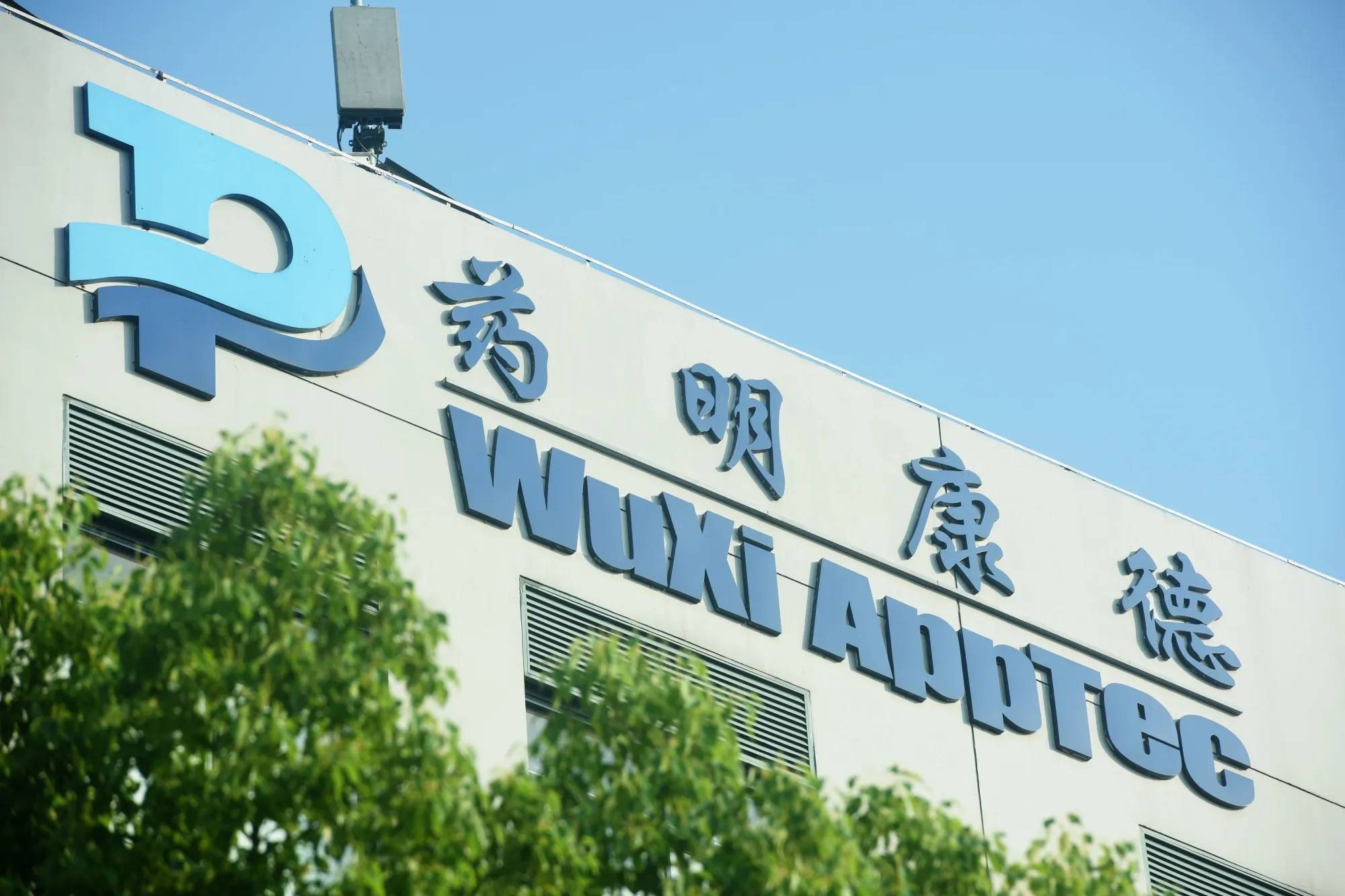
In China, WuXi AppTec continues expanding the capabilities of its WuXi TIDES platform while strengthening manufacturing networks across Asia, Europe, and the United States to support growing commercial demand for peptide and oligonucleotide therapeutics.
It is becoming increasingly clear that the global peptide industry is shifting from a phase of:
“R&D competition”
into an era of:
“manufacturing competition.”
Why Is “Industrial Manufacturing Capability” Becoming So Important?
For many outside the industry, the value of GLP-1 drugs may seem to lie mainly in the products themselves.
In reality, however, manufacturing capability may ultimately determine the upper limit of the entire market.
Compared with traditional small-molecule drugs, peptide API production is significantly more complex.
Long-chain GLP-1 products, in particular, require not only solid-phase peptide synthesis (SPPS), but also multiple purification steps, impurity control, lyophilization processes, and long-term stability management.
Once market demand moves from R&D-scale production to global commercialization, manufacturing complexity increases exponentially.
In other words, the peptide industry once resembled a form of:
“high-end laboratory manufacturing.”
Today, it is rapidly evolving into a true advanced manufacturing industry.
Under the continued expansion of GLP-1 demand, industry competition is no longer simply about:
- Who can develop the next innovative molecule
but rather:
- Who can consistently scale up production
- Who can ensure long-term global supply
- Who can reduce manufacturing costs while maintaining strict quality consistency
This is also why increasing amounts of capital are flowing into peptide CDMO and API manufacturing sectors.
Conclusion
The impact of GLP-1 extends far beyond the weight loss drug market itself.
It is not only transforming chronic disease treatment models worldwide, but also redefining the entire peptide manufacturing industry.
From kilogram-scale production to future ton-scale demand, and from traditional laboratory expansion to automated industrial manufacturing, the peptide sector is undergoing a major industrial transformation.
In the future, the key competitive advantage may no longer simply be about discovering the next blockbuster molecule, but rather:
- Who has stable manufacturing capacity
- Who can secure reliable global supply
- Who can truly achieve peptide industrialization
As a platform that continuously follows global innovative medicines and pharmaceutical supply chain development, DengYueMed also remains focused on the evolving trends in GLP-1 therapies, peptide APIs, and long-acting formulations.
Amid the rapid transformation of the global peptide industry, stable supply chains, compliant systems, and international collaboration capabilities are becoming increasingly important for overseas markets and global healthcare partners.