Drug repurposing is reshaping pharmaceutical markets worldwide. Discover how new indication approvals affect drug accessibility, patient demand, supply chain planning, and global healthcare delivery.
Behind New Indication Approvals: How Drug Accessibility and Supply Chain Readiness Are Changing
Throughout the development of the pharmaceutical industry, attention is often focused on innovative medicines and breakthrough therapies. From targeted cancer treatments to cell and gene therapies, new drugs continue to drive medical progress. However, another trend has been attracting increasing attention in recent years: drug repurposing.
Drug repurposing refers to the process in which an existing medicine, already approved and supported by long-term clinical evidence, is found through new research to have therapeutic value in other diseases or patient populations, ultimately leading to the approval of additional indications.
For patients, drug repurposing means more treatment options. For healthcare providers, it creates new clinical applications. For the pharmaceutical industry as a whole, it can significantly influence supply chains, market demand, and drug accessibility. In many cases, long before a new indication receives regulatory approval, stakeholders have already begun preparing for future demand.

Demand for New Indications Often Emerges Before Approval
Many people assume that demand for a medicine only increases after a regulatory authority officially approves a new indication. In reality, demand often begins to grow much earlier.
During the drug development process, positive results from pivotal clinical trials are frequently presented at international medical conferences, published in scientific journals, and incorporated into professional treatment guidelines. As evidence accumulates, physicians and researchers start paying close attention to the drug's potential in new therapeutic areas.
For example, in oncology, a medicine originally approved for one type of cancer may gain attention after studies demonstrate effectiveness against other tumor types. In chronic disease management, some therapies may gradually expand into new treatment areas as additional benefits are discovered. Although regulatory approval may still be pending, the market can often anticipate the expansion of the patient population.
As a result, growth in demand frequently precedes regulatory approval, and the ability of the supply chain to prepare in advance can directly affect how quickly patients gain access to treatment.
Why Does Indication Expansion Create New Supply Chain Challenges?
For pharmaceutical manufacturers and supply chain organizations, a new indication means more than an expanded use for a medicine—it often signals a significant increase in the number of potential patients.
A drug originally intended for a relatively small patient group may see its eligible population multiply several times over after a new indication is approved. Expanding from later-line treatment to first-line therapy, or from one disease area to multiple conditions, can rapidly transform market demand.
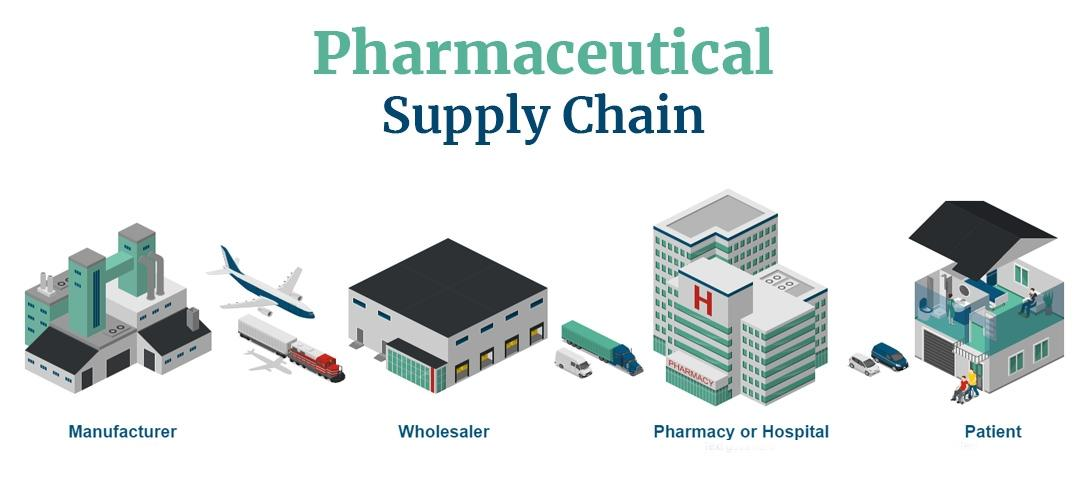
However, pharmaceutical manufacturing is not simply a matter of increasing production volume. Raw material procurement, production scheduling, quality control, packaging, warehousing, and logistics all require careful coordination. This is particularly true for biologics, specialty medicines, and products requiring strict cold-chain management, where increasing supply capacity often takes considerable time.
If demand grows faster than the supply chain can respond, temporary shortages may occur, potentially affecting patient access to treatment. Consequently, forecasting future demand has become an essential component of modern pharmaceutical supply management.
How Is Future Demand Predicted?
Before a new indication receives formal approval, pharmaceutical companies and healthcare stakeholders monitor multiple signals to assess future market trends.
The first is clinical development progress. Results from Phase III clinical trials are often considered one of the strongest indicators of potential approval. When studies demonstrate meaningful improvements in patient outcomes, expectations for future demand tend to rise.
The second involves regulatory signals. Priority review designations, breakthrough therapy status, and accelerated approval pathways often indicate that a medicine may reach the market more quickly.
In addition, updates to international treatment guidelines and expert consensus statements can provide valuable insight. When authoritative organizations begin recommending a therapy, it often suggests that clinical adoption is likely to expand in the near future.
For pharmaceutical companies, hospitals, pharmacies, and supply chain partners, these indicators help support proactive purchasing strategies and inventory planning, reducing future supply risks.
Accessibility Differences Caused by Global Approval Timelines
Around the world, new indications for the same medicine are rarely approved simultaneously across all countries and regions.
Because regulatory systems, approval processes, and local data requirements differ, a new indication may be approved first in the United States or Europe, while other markets may require months or even years to complete their reviews.
For patients, these timing differences can significantly influence access to treatment opportunities. This is particularly relevant in oncology, rare diseases, and other serious medical conditions, where patients closely follow the latest global treatment developments in search of additional options.
As international healthcare collaboration continues to expand and access to information becomes easier, more patients are paying attention to overseas drug approvals, emerging indications, and updates to global treatment guidelines. Consequently, the concept of drug accessibility is evolving from simply asking whether a medicine exists to asking when patients can realistically gain access to it.
Beyond Stockpiling: The Strategic Value of Supply Chains
When discussing preparations for a new indication launch, many people immediately think of increasing inventory levels. In reality, supply chain readiness involves much more.
Hospitals must evaluate future patient demand and optimize their formularies. DTP pharmacies need to strengthen inventory management and patient support services. Pharmaceutical distributors must establish stable and flexible sourcing networks.
The ultimate objective is not merely to increase product availability but to ensure that patients can access treatment quickly once a new indication is approved.
Drug accessibility depends not only on successful research and regulatory approval but also on the supply chain's ability to respond effectively to changing demand. Even the most advanced therapies cannot deliver their full value if they fail to reach clinical practice in a timely manner.
In today's healthcare environment, supply chains have become a critical bridge connecting pharmaceutical innovation with patient benefit.
Conclusion
As precision medicine, genetic testing, and real-world evidence continue to advance, an increasing number of approved medicines are revealing new therapeutic potential. Compared with developing entirely new drugs, drug repurposing can shorten development timelines, reduce costs, and bring new treatment opportunities to patients more quickly.
At the same time, expanding indications are reshaping pharmaceutical markets. From demand forecasting and supply management to regulatory review and clinical adoption, the entire healthcare ecosystem must become more flexible and responsive.
As global drug development continues to accelerate, every new indication approval represents a potential new treatment opportunity. As a platform focused on international pharmaceutical supply and cross-border healthcare services, DengYueMed continuously monitors global drug developments, indication expansions, and changes in drug accessibility, helping patients and partners stay informed about emerging treatment options.
Looking ahead, as more medicines benefit broader patient populations through indication expansion, the concept of drug accessibility will continue to evolve. The strength of a healthcare system is measured not only by the availability of innovative therapies but also by how quickly patients can access the treatments they need. The growing trend of drug repurposing will continue to drive improvements in global pharmaceutical supply chains and healthcare delivery systems for years to come.