Landmark clinical evidence demonstrates that BNCT can dramatically improve progression-free survival for recurrent high-grade meningioma. Combined with China's rapid advances in accelerator-based BNCT systems, boron drugs, and national policy support, BNCT is emerging as one of the most promising precision radiotherapy technologies.
Major Progress in Recurrent Meningioma Treatment: World's First Randomized Controlled Trial Confirms Significant Benefits of BNCT

The world's first randomized controlled trial (RCT) has demonstrated that Boron Neutron Capture Therapy (BNCT) significantly improves progression-free survival (PFS) in patients with recurrent high-grade meningioma, offering new hope for individuals whose tumors have returned after radiotherapy.
At the same time, accelerator-based BNCT (AB-BNCT) technology is rapidly advancing worldwide. China has emerged as one of the leading countries in this field through continuous progress in domestically developed accelerator systems, boron-containing drugs, clinical research, and supportive national policies.
For patients with WHO Grade II and Grade III meningiomas, recurrence remains one of the greatest challenges in neuro-oncology. Treatment options become increasingly limited once conventional surgery and radiotherapy have been exhausted.
In early 2026, the internationally renowned journal Neuro-Oncology published the world's first randomized controlled trial evaluating accelerator-based BNCT for recurrent high-grade meningioma. The study confirmed significant clinical benefits and provided the highest level of evidence to date supporting BNCT as a promising treatment strategy.
In this article, DengYueMed reviews the latest clinical evidence, technological developments, and future prospects of BNCT.
What Is BNCT?
Boron Neutron Capture Therapy (BNCT) is an innovative form of precision radiotherapy that combines targeted drug delivery with nuclear physics, creating a unique binary treatment approach.
Unlike conventional radiotherapy, BNCT selectively destroys tumor cells from the inside while minimizing damage to surrounding healthy tissue.
The treatment consists of two essential steps.
Step 1: Administration of a Boron-Containing Drug
Patients first receive an intravenous infusion of a boron-containing pharmaceutical agent carrying the stable isotope boron-10 (¹⁰B).
These compounds are designed to preferentially accumulate inside tumor cells while maintaining relatively low concentrations within normal tissues.
The success of BNCT largely depends on achieving sufficient boron concentration inside cancer cells.
Step 2: Neutron Irradiation
After boron accumulation, the tumor is exposed to low-energy thermal neutrons generated by an accelerator-based BNCT system.
When thermal neutrons are captured by boron-10 atoms, an immediate nuclear reaction occurs:
¹⁰B + neutron → alpha particle + lithium ion + energy
The resulting alpha particles and lithium ions possess an extremely short travel distance—approximately 5–9 micrometers, roughly equivalent to the diameter of a single human cell.
Because these high linear energy transfer (LET) particles travel only microscopic distances, they destroy boron-containing tumor cells while largely sparing adjacent healthy tissues.
This unique mechanism has earned BNCT the nickname:
"Cell-Level Precision Radiotherapy."
Advantages of BNCT
Compared with conventional external beam radiotherapy, BNCT offers several important potential advantages.
- Highly selective destruction of tumor cells
- Minimal radiation exposure to surrounding healthy tissue
- Particularly suitable for patients who have previously received radiotherapy
- Potential to overcome certain forms of radioresistance
- In many cases, treatment can be completed in a single irradiation session
- Suitable for complex tumors located near critical neurological structures
These characteristics have made BNCT one of the most promising emerging technologies in modern precision radiation oncology.
World's First Randomized Controlled Trial Confirms Significant Clinical Benefits
The publication of the world's first randomized controlled trial (RCT) marks a major milestone in the clinical development of BNCT.
Conducted by researchers at Osaka Medical and Pharmaceutical University, this Phase II study evaluated the efficacy and safety of accelerator-based BNCT in patients with recurrent WHO Grade II and Grade III meningioma who had previously undergone radiotherapy.
Because recurrent high-grade meningioma has historically lacked effective treatment options after surgery and radiation, this study addresses a significant unmet clinical need.
Patients were randomly assigned in a 2:1 ratio to receive either:
- Accelerator-Based BNCT (AB-BNCT)
- Best Supportive Care (BSC)
The primary endpoint was progression-free survival (PFS).
Progression-Free Survival Improved More Than Tenfold
The results demonstrated a remarkable improvement in disease control.
According to assessments performed by the Independent Review Committee (IRC):
| Outcome | BNCT | Control |
|---|---|---|
| Median Progression-Free Survival | 14.4 months | 1.4 months |
| Risk of Disease Progression or Death | Reduced by 81% | — |
The investigators' independent assessment showed highly consistent findings.
| Outcome | BNCT | Control |
|---|---|---|
| Investigator-Assessed Median PFS | 14.7 months | 1.5 months |
The consistency between the Independent Review Committee and investigator assessments further strengthens the reliability of the study findings.
Overall, BNCT extended progression-free survival by more than tenfold, representing one of the most meaningful improvements reported for recurrent high-grade meningioma.
Why These Results Matter
Patients with recurrent WHO Grade II and Grade III meningioma often face extremely limited treatment options.
Following surgery and radiation therapy, many tumors eventually recur.
Repeat surgery may not always be technically feasible because tumors frequently invade critical neurovascular structures.
Likewise, additional radiotherapy is often limited by the cumulative radiation dose already delivered to surrounding healthy brain tissue.
Consequently, recurrent high-grade meningioma has long represented one of the most challenging diseases in neuro-oncology.
The randomized trial demonstrates that BNCT may offer an effective alternative for these patients by delivering highly localized radiation while minimizing additional exposure to previously irradiated normal tissues.
Rather than simply slowing disease progression modestly, BNCT produced a clinically meaningful extension in progression-free survival.
These findings provide strong support for incorporating BNCT into future treatment strategies for recurrent high-grade meningioma.
Safety Profile
An important objective of the study was to evaluate treatment safety.
Overall, accelerator-based BNCT demonstrated a manageable safety profile.
The most frequently reported treatment-related adverse events included:
- Hair loss within the irradiation field
- Radiation-induced cerebral edema
- Radiation necrosis
Importantly, the majority of enrolled patients had previously received radiotherapy, making these adverse events generally predictable.
Several reassuring safety observations were reported.
- No treatment-related Grade 4 or Grade 5 adverse events
- No treatment-related deaths
- Most toxicities were successfully managed using corticosteroids and supportive care
Overall, investigators concluded that BNCT demonstrated a favorable benefit-risk profile, especially considering the lack of effective treatment alternatives for this patient population.
Clinical Significance
Randomized controlled trials represent the highest level of clinical evidence in evidence-based medicine.
Until now, most BNCT studies consisted primarily of:
- Single-center experiences
- Retrospective analyses
- Small prospective studies
- Real-world observational reports
Although these studies suggested promising therapeutic potential, stronger evidence was required before wider clinical adoption.
The publication of this landmark randomized controlled trial therefore represents an important turning point for BNCT.
It provides high-quality evidence that accelerator-based BNCT can significantly improve clinical outcomes for recurrent high-grade meningioma.
Beyond meningioma, the success of this study is also expected to accelerate ongoing clinical research investigating BNCT in additional difficult-to-treat malignancies, including glioblastoma, recurrent head and neck cancer, melanoma, and several other solid tumors.
As additional multicenter clinical trials become available, BNCT is expected to transition from an emerging technology into a more widely accepted precision radiotherapy platform.

China's BNCT Development Is Accelerating
While Japan remains the global pioneer in clinical BNCT applications, China has rapidly emerged as one of the fastest-growing innovators in the field.
Over the past several years, China has achieved substantial progress across multiple areas of BNCT development, including:
- Accelerator-based neutron source technology
- Boron-containing drug research
- Clinical trial implementation
- Medical device localization
- National policy support
- Industrial ecosystem development
Rather than focusing solely on individual technologies, China is building a comprehensive BNCT innovation ecosystem that integrates equipment manufacturing, pharmaceutical development, clinical research, and healthcare infrastructure.
Breakthroughs in Domestic Accelerator-Based BNCT Systems
One of the most significant advances has been the development of domestically manufactured accelerator-based BNCT (AB-BNCT) systems.
Compared with traditional reactor-based BNCT, accelerator-based systems offer several advantages:
- Installation within hospitals
- Improved accessibility
- Lower operational complexity
- Greater clinical scalability
- Reduced infrastructure requirements
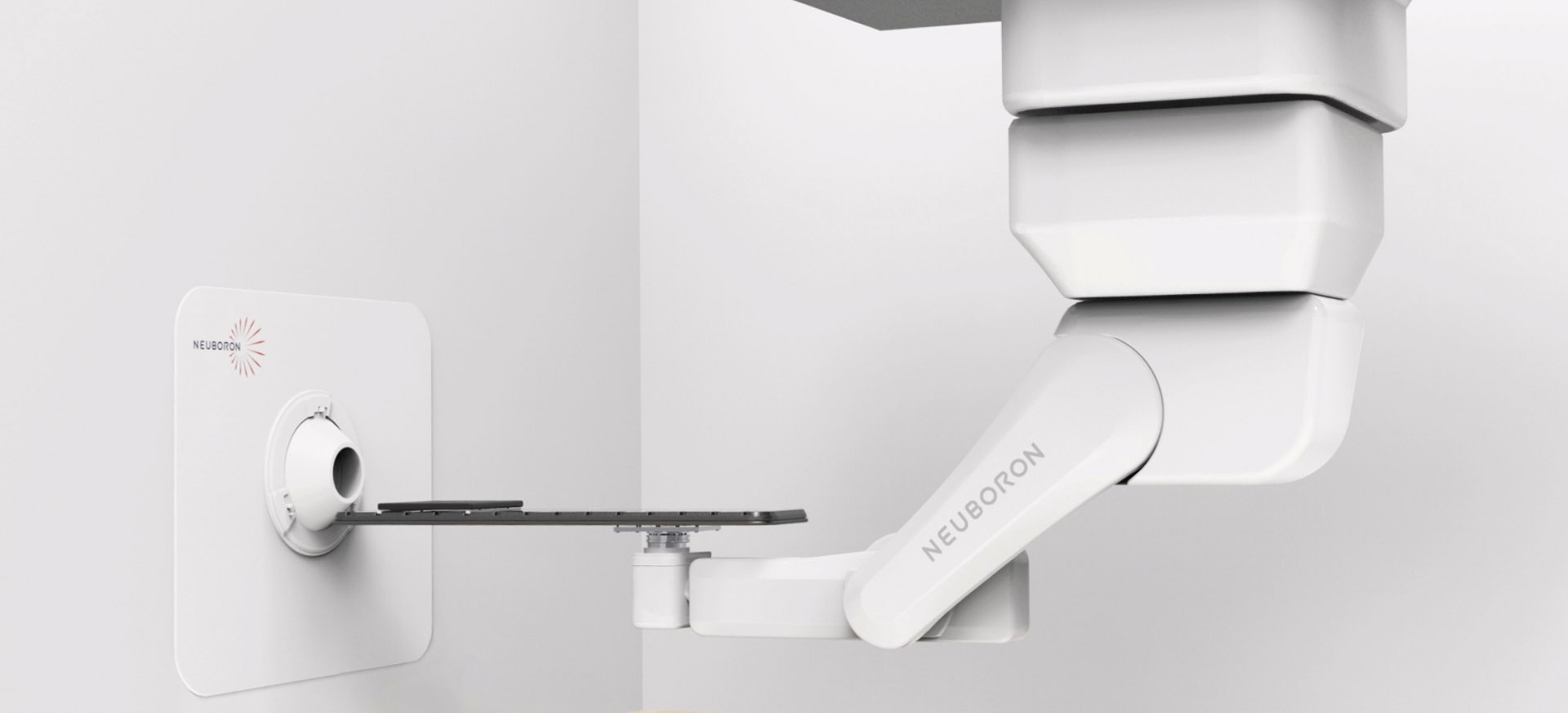
Among China's leading innovators is Neuboron Medtech, whose accelerator-based BNCT platform—commonly known as the "Jifeng Knife"—has entered the registration clinical trial stage.
This achievement represents an important milestone for China's high-end radiotherapy equipment industry.
As domestic manufacturing capability continues to improve, accelerator-based BNCT is expected to become increasingly accessible across major oncology centers throughout China.
Domestic Boron Drug Development
Successful BNCT depends not only on neutron sources but also on highly effective boron-containing drugs.
China has also made notable progress in this area.
The domestically developed boron compound NBB-001 has entered clinical development, marking another important step toward establishing an independent BNCT treatment ecosystem.
Developing domestic boron agents offers several strategic advantages:
- Reduced reliance on imported pharmaceuticals
- Greater control over production capacity
- Lower treatment costs
- Expanded opportunities for future indication development
The simultaneous advancement of both neutron delivery systems and boron drugs positions China to develop a fully integrated BNCT industry.
China's First Registration Clinical Trial Has Completed Enrollment
Clinical translation is progressing rapidly.
China's first registration clinical trial evaluating BNCT for recurrent head and neck cancer has completed patient enrollment.
The study is jointly conducted by:
- Xiamen Humanity Hospital
- Neuboron Medtech
According to publicly available information, dozens of patients have already received BNCT treatment at the study center.
Preliminary observations suggest encouraging:
- Safety
- Local tumor control
- Therapeutic potential
As follow-up continues and additional clinical data become available, these findings are expected to support regulatory approval of domestically developed BNCT systems in China.
Successful completion of this registration pathway could significantly accelerate the adoption of BNCT across Chinese hospitals.
Strong National Policy Support
In addition to technological progress, government policy has become a major driver of China's BNCT development.
At the end of 2024, China's National Atomic Energy Administration, together with 11 government departments, released the Three-Year Action Plan (2024–2026) for High-Quality Development of the Nuclear Technology Application Industry.
The national strategy specifically highlights several priorities related to BNCT.
These include:
- Accelerating BNCT treatment system development
- Supporting localization of high-end medical equipment
- Promoting innovation in radiopharmaceuticals
- Strengthening nuclear medicine infrastructure
- Building a complete industrial chain for nuclear medical technologies
This represents the first time BNCT has been formally incorporated into China's national industrial development strategy.
The policy provides long-term support for research institutions, manufacturers, hospitals, and pharmaceutical companies involved in BNCT development.
Building a Complete BNCT Ecosystem
China's BNCT strategy extends well beyond equipment manufacturing.
The country is simultaneously investing in every major component required for large-scale clinical adoption.
These include:
- Particle accelerator technology
- Boron drug discovery
- Clinical research
- Regulatory approval
- Medical physics
- Treatment planning software
- Hospital infrastructure
- Physician training
This integrated approach may allow China to establish one of the world's largest BNCT treatment networks over the coming decade.
Rather than relying on imported technologies, domestic innovation is becoming the driving force behind future expansion.
Why China's Progress Matters Globally
The rapid development of BNCT in China has implications that extend far beyond its domestic healthcare system.
As additional accelerator-based systems become available and treatment costs gradually decrease, BNCT may become accessible to a much larger international patient population.
China's expanding manufacturing capacity, growing clinical experience, and supportive policy environment could contribute significantly to the global adoption of precision neutron capture therapy.
For patients with difficult-to-treat cancers, these developments may ultimately translate into greater treatment availability, shorter waiting times, and broader international access to innovative cancer care.
BNCT Is Expanding Beyond Head and Neck Cancer
Although recurrent head and neck cancer remains the most established indication for BNCT, ongoing advances in boron-containing drugs, accelerator-based neutron sources, and treatment planning systems are rapidly expanding its potential applications.
Today, researchers worldwide are investigating BNCT across a growing range of difficult-to-treat malignancies, particularly tumors that have limited treatment options after conventional surgery, radiotherapy, or systemic therapy.
Several indications have demonstrated encouraging early clinical evidence.
Recurrent Head and Neck Cancer
Head and neck cancer remains the most mature clinical application of BNCT.
Many patients experience local recurrence after surgery and radiotherapy, leaving few effective treatment options because surrounding normal tissues have already reached their radiation tolerance.
BNCT offers a unique solution by selectively destroying tumor cells while minimizing damage to adjacent healthy tissues.
Clinical experience from Japan has demonstrated encouraging outcomes.
Reported findings include:
- Overall response rates exceeding 80%
- Durable local tumor control in selected patients
- Acceptable safety profiles
- Potential improvements in quality of life
These results contributed to Japan becoming the first country to approve accelerator-based BNCT for recurrent or locally advanced head and neck cancer.
Glioblastoma (GBM)
Glioblastoma is among the most aggressive primary brain tumors.
Despite surgery, radiotherapy, and chemotherapy, recurrence is almost inevitable, and treatment options remain extremely limited.
Because BNCT can deliver highly localized high-LET radiation at the cellular level, it has long been considered a promising strategy for recurrent glioblastoma.
Clinical studies from Japan and Finland have suggested that BNCT may:
- Prolong overall survival
- Improve local tumor control
- Offer an option for patients previously treated with radiotherapy
Research continues to evaluate combination strategies involving BNCT together with targeted therapy and immunotherapy.
High-Grade Meningioma
The publication of the world's first randomized controlled trial has established recurrent WHO Grade II and Grade III meningioma as one of the most promising emerging indications for BNCT.
Compared with best supportive care, BNCT significantly prolonged progression-free survival while maintaining a manageable safety profile.
The success of this landmark trial is expected to encourage:
- Additional multicenter international studies
- Larger Phase III clinical trials
- Broader clinical adoption
For patients who have exhausted conventional treatment options, BNCT may represent an important new therapeutic opportunity.
Breast Cancer
Researchers are also exploring BNCT for selected breast cancer subtypes.
Current investigations include:
- HER2-positive breast cancer
- Triple-negative breast cancer (TNBC)
Preclinical studies suggest that BNCT may not only directly destroy tumor cells but also influence the tumor immune microenvironment.
Some studies indicate activation of the cGAS-STING signaling pathway, potentially enhancing anti-tumor immune responses.
These findings raise the possibility that BNCT could become an effective partner for modern immunotherapy.
Although clinical evidence remains limited, breast cancer represents one of the most closely watched future indications.
Additional Solid Tumors Under Investigation
Beyond brain tumors and head and neck cancers, BNCT is currently being investigated for numerous difficult-to-treat solid malignancies.
These include:
- Melanoma
- Non-small cell lung cancer
- Hepatocellular carcinoma
- Malignant mesothelioma
- Osteosarcoma
- Soft tissue sarcoma
- Pancreatic cancer
- Other refractory solid tumors
As next-generation boron delivery agents continue to improve tumor selectivity, the number of potential BNCT indications is expected to expand further.
Third-Generation Boron Drugs May Further Expand Clinical Applications
One of the major limitations of early BNCT was the relatively modest tumor selectivity of first-generation boron compounds.
Today, researchers are developing third-generation boron delivery systems that combine boron atoms with:
- Monoclonal antibodies
- Peptides
- Nanoparticles
- Liposomes
- Targeted small molecules
These next-generation boron agents aim to:
- Increase tumor accumulation
- Reduce normal tissue exposure
- Improve therapeutic efficacy
- Expand eligibility across different tumor types
Improved boron delivery could become one of the key factors driving the next phase of BNCT development.
Precision Oncology Continues to Expand BNCT's Role
Modern oncology increasingly emphasizes precision medicine.
Rather than applying identical treatments to all patients, physicians seek therapies tailored to each tumor's biological characteristics.
BNCT aligns closely with this philosophy.
Its combination of molecular targeting and highly localized radiation delivery enables individualized treatment strategies that may complement surgery, conventional radiotherapy, systemic therapy, and immunotherapy.
As imaging technologies, artificial intelligence-assisted treatment planning, and targeted boron compounds continue to evolve, BNCT may become an increasingly important component of precision cancer care worldwide.
The Global BNCT Industry Is Entering a Period of Rapid Growth
Beyond its encouraging clinical progress, BNCT is also emerging as one of the fastest-growing fields within radiation oncology.
According to multiple industry analyses, the global BNCT market is expected to maintain a compound annual growth rate (CAGR) exceeding 30% over the coming years, driven by continued technological innovation and expanding clinical adoption.
Several factors are accelerating this growth.
1. Accelerator-Based BNCT Is Becoming More Accessible
Historically, BNCT depended on nuclear research reactors to generate neutron beams, limiting its availability to only a handful of specialized institutions.
Today, accelerator-based BNCT (AB-BNCT) systems allow neutron generation within hospital environments without requiring nuclear reactors.
This breakthrough significantly lowers infrastructure barriers and makes wider clinical deployment possible.
2. Next-Generation Boron Drugs Continue to Improve
Research into targeted boron delivery agents continues to expand.
Novel compounds are being designed to improve:
- Tumor selectivity
- Cellular uptake
- Pharmacokinetics
- Safety profiles
These innovations are expected to further improve therapeutic outcomes while expanding the range of treatable cancers.
3. Clinical Indications Continue to Expand
Although BNCT was initially developed for recurrent head and neck cancer, ongoing research is evaluating its application in:
- Glioblastoma
- High-grade meningioma
- Breast cancer
- Melanoma
- Lung cancer
- Hepatocellular carcinoma
- Mesothelioma
- Osteosarcoma
Each successful clinical study further strengthens the evidence supporting broader clinical adoption.
4. National Policy Support Is Increasing
Governments are recognizing BNCT as an important component of future precision oncology.
China's inclusion of BNCT within the Three-Year Action Plan (2024–2026) for High-Quality Development of the Nuclear Technology Application Industry reflects growing policy support for:
- Domestic medical equipment innovation
- Radiopharmaceutical development
- Nuclear medicine infrastructure
- Precision radiotherapy technologies
Policy support is expected to accelerate industrial development over the coming years.
5. Precision Oncology Continues to Drive Demand
As precision medicine becomes the standard of cancer care, demand for highly targeted treatment modalities continues to increase.
BNCT's unique combination of molecular targeting and localized high-LET radiation positions it as a promising complement to surgery, systemic therapy, conventional radiotherapy, and immunotherapy.
DengYueMed: Connecting Patients with Global Innovative Medical Resources
As innovative treatment technologies such as BNCT continue to advance, patients worldwide are increasingly seeking access to cutting-edge therapies, specialized treatment centers, and international medical resources.
DengYueMed is committed to supporting global access to innovative medicines through professional pharmaceutical distribution and international healthcare services.
Our areas of focus include:
- Global sourcing of innovative oncology medicines
- Cross-border pharmaceutical supply chain management
- Pharmaceutical import and export services through Hong Kong
- International hospital referral support
- Specialist consultation coordination
- Cold-chain transportation and compliant pharmaceutical logistics
Beyond pharmaceutical distribution, DengYueMed continuously follows developments in targeted therapies, radiopharmaceuticals, antibody-drug conjugates (ADCs), cell therapies, gene therapies, and other emerging treatment modalities, helping healthcare professionals, patients, and industry partners stay informed about the latest advances in global medicine.
Conclusion
The publication of the world's first randomized controlled trial represents a major milestone in the evolution of Boron Neutron Capture Therapy (BNCT).
High-level clinical evidence now demonstrates that BNCT can significantly prolong progression-free survival in patients with recurrent high-grade meningioma following previous radiotherapy, providing renewed hope for a patient population with historically limited treatment options.
At the same time, China is rapidly establishing a comprehensive BNCT innovation ecosystem through domestically developed accelerator-based BNCT systems, indigenous boron-containing drugs, expanding clinical research, and strong national policy support.
As additional evidence emerges and next-generation boron delivery technologies continue to evolve, BNCT is expected to play an increasingly important role in the treatment of brain tumors and other difficult-to-treat solid cancers.
For patients around the world, these advances represent not only more therapeutic options, but also improved access to the next generation of precision oncology.
DengYueMed will continue to monitor global developments in BNCT, precision radiotherapy, radiopharmaceuticals, and innovative cancer therapies, helping connect healthcare professionals, industry partners, and patients with the latest advances shaping the future of cancer treatment.