Learn which international health insurance providers are accepted by Chinese hospitals, how direct billing works, and what overseas patients should know before seeking medical treatment in China.
Which International Health Insurance Plans Are Accepted by Chinese Hospitals? A Guide for Overseas Patients Seeking Treatment in China
As China's healthcare system continues to advance, an increasing number of overseas patients are choosing China for cancer treatment, cardiovascular care, complex surgical procedures, and access to innovative therapies.
One of the most common questions international patients ask is:
"Can I use my international health insurance at Chinese hospitals?"
The answer is: In many cases, yes—but it depends on the insurance provider, the type of hospital, and the payment arrangement.
Hong Kong DengYueMed provides a detailed overview of how international health insurance works in Chinese hospitals, the most commonly accepted insurance providers, direct billing mechanisms, and important considerations for overseas patients planning medical treatment in China.
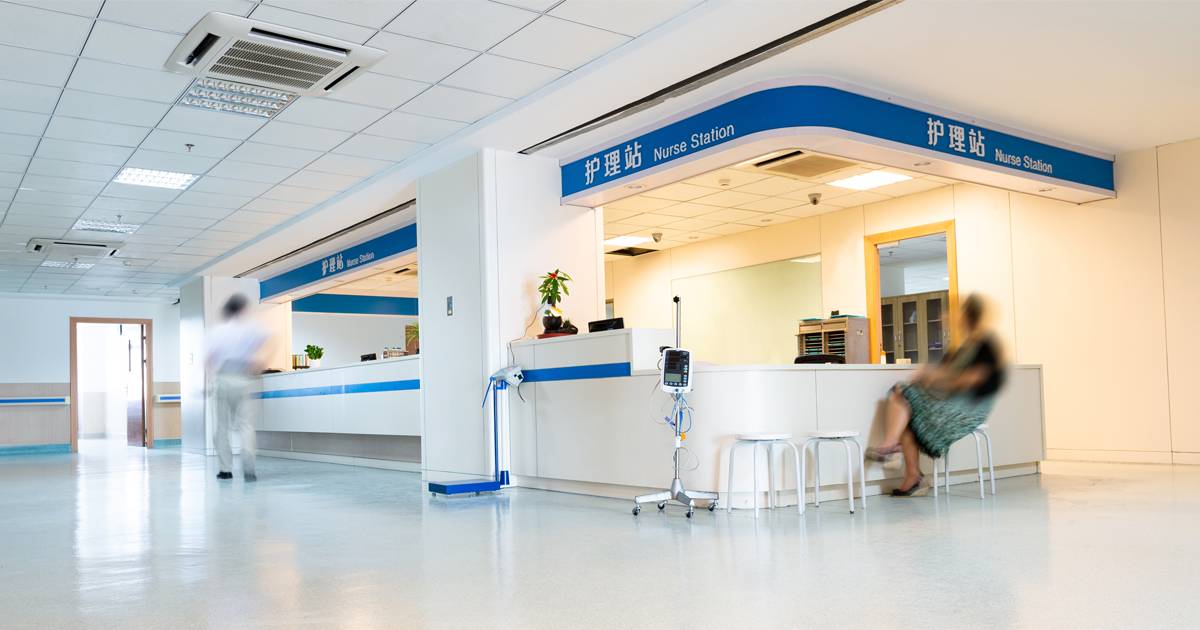
Can International Health Insurance Be Used in Chinese Hospitals?
Generally speaking, most major international health insurance plans can be used in China.
This is especially true at the following types of healthcare facilities:
- International departments of top-tier public hospitals
- International hospitals
- Premium private hospitals
- Certain foreign-invested medical institutions
These hospitals typically have dedicated international patient service teams that can assist with insurance verification, pre-authorization requests, and claims processing.
However, it is important to note that not all Chinese hospitals have direct agreements with international insurance providers.
As a result, patients may encounter one of two payment models:
1. Direct Billing
Under a direct billing arrangement, the hospital settles eligible medical expenses directly with the insurance company.
The patient is only responsible for any out-of-pocket costs specified in their policy.
This is the most convenient option and is generally preferred by international patients.
2. Reimbursement
Under the reimbursement model, patients must first pay the full cost of treatment themselves.
After treatment, they can submit the following documents to their insurance provider:
- Medical records
- Invoices
- Itemized billing statements
- Physician certificates
The insurance company will then review the claim and process reimbursement.
Depending on the insurer, the review process may take anywhere from several weeks to several months.
Common International Health Insurance Providers Accepted by Chinese Hospitals
Some of the most commonly recognized international health insurance providers in China include:
- Allianz Care
- Cigna Global
- Bupa Global
- Aetna International
- AXA Global Healthcare
- GeoBlue
- MSH International
- Now Health International
These insurers serve customers around the world and maintain partnerships with numerous healthcare institutions in China.
Among them, Allianz Care, Cigna Global, and Bupa Global have particularly broad coverage networks in China's international healthcare sector. Many international hospitals and international departments of major hospitals are experienced in handling these insurance plans.
For some U.S.-based patients, overseas medical coverage may also be available through GeoBlue or other international healthcare networks.
It is important to understand that coverage can vary significantly even within the same insurance company.
For example, premium plans may cover hospitalization, surgery, cancer treatment, and international referrals, while basic plans may only include outpatient services and emergency care.
Therefore, patients should always refer to the specific terms and conditions of their individual policy rather than relying solely on the insurer's brand name.

Which Chinese Hospitals Are More Likely to Accept International Insurance?
International Departments of Public Tertiary Hospitals
In recent years, many leading public tertiary hospitals in China have established international medical centers or international departments.
Examples include:
- International Medical Center of Guangdong Provincial People's Hospital
- International Medical Center of The First Affiliated Hospital of Sun Yat-sen University
- International Medical Department of Peking Union Medical College Hospital
- International Medical Center of Huashan Hospital, Fudan University
- International Medical Center of West China Hospital, Sichuan University
These departments often provide:
- English-language services
- Insurance coordination assistance
- International-standard medical documentation
- Support for selected direct billing arrangements
For overseas patients, they offer a valuable balance between high-quality medical care and cost efficiency.
International Hospitals
International hospitals generally have more mature direct billing systems.
Examples include:
- Guangzhou Royal Lee Hospital
- Shanghai United Family Hospital
- Beijing United Family Hospital
- Shanghai Jiahui International Hospital
- International Medical Center of Clifford Hospital, Guangzhou
These hospitals typically maintain extensive partnerships with international insurance providers.
However, treatment costs are often higher than those at public hospitals.
Premium Private Hospitals
Some premium private hospitals have also established long-term partnerships with international insurance companies.
They can be a good option for patients seeking a more comfortable inpatient experience and internationally oriented healthcare services.
Can Cancer Treatment Be Covered by International Health Insurance?
This is one of the most important concerns for overseas patients.
In general, most international health insurance plans cover cancer-related medical services, including:
- Diagnostic testing
- Surgery
- Radiation therapy
- Chemotherapy
- Certain targeted therapies
- Immunotherapies
However, coverage varies significantly between insurance plans.
When reviewing cancer treatment claims, insurance providers typically focus on several factors, including:
- Whether the patient has a pre-existing condition
- Whether the treatment is considered medically necessary
- Whether pre-authorization has been obtained
- Whether the medications or therapies fall within the policy's coverage scope
For high-cost treatments, insurers often require patients to submit comprehensive medical documentation for approval before treatment begins.
Therefore, communicating with the insurance company in advance is highly recommended.
What Insurance Documents Should Overseas Patients Prepare Before Coming to China?
To improve the efficiency of insurance approval and claims processing, patients should prepare the necessary documents before traveling to China.
Recommended documents include:
- A valid insurance policy
- Passport and identification documents
- Previous medical records and diagnostic reports
- Referral letters or medical certificates
- Any pre-authorization forms required by the insurance provider
Complete and accurate documentation not only facilitates insurance approval but also helps Chinese hospitals better understand the patient's condition and develop an appropriate treatment plan.
How Can You Confirm Whether Your Insurance Can Be Used at a Chinese Hospital?
Before traveling to China for treatment, patients are encouraged to verify their coverage through multiple channels.
First, contact your insurance provider directly to obtain information about participating hospitals in China and your specific coverage benefits.
Second, consult the international department of your chosen hospital to confirm whether direct billing is available and what documents may be required.
For cross-border medical services involving cancer treatment, CAR-T therapy, complex surgeries, or other advanced treatments, many patients also seek assistance from professional medical coordinators.
As a medical service platform connecting Chinese hospitals with overseas patients, DengYueMed can assist patients in:
- Understanding hospital resources
- Verifying insurance eligibility
- Coordinating international department appointments
- Preparing medical documentation
- Planning the overall treatment journey in China
By completing hospital and insurance assessments in advance, patients can often avoid unnecessary delays and communication challenges.
Why Are More International Patients Choosing China for Treatment?
In recent years, China has demonstrated significant strengths across multiple disease areas, including:
- Lung cancer treatment
- Liver cancer treatment
- Gastric cancer treatment
- Nasopharyngeal cancer treatment
- CAR-T therapy
- Innovative targeted therapies
- Cell therapies
At the same time, compared with many Western countries, certain high-level medical resources in China offer advantages in terms of:
- Treatment accessibility
- Waiting times
- Overall costs
For patients with international health insurance, making full use of their coverage can further reduce the financial burden associated with cross-border medical care.
Conclusion
International health insurance has become an increasingly important payment solution for overseas patients seeking treatment in China.
Although coverage policies and benefits vary among insurers and plans, a growing number of Chinese hospital international departments, international hospitals, and premium healthcare institutions are now able to provide direct billing services or assist with insurance claims.
Before traveling to China for treatment, patients should carefully confirm their insurance coverage, participating hospitals, and any pre-authorization requirements to ensure a smooth medical experience.
If you are considering cancer treatment, CAR-T therapy, or other complex medical services in China, contact DengYueMed. Completing a hospital and insurance assessment in advance can help you access high-quality healthcare with greater confidence and efficiency.