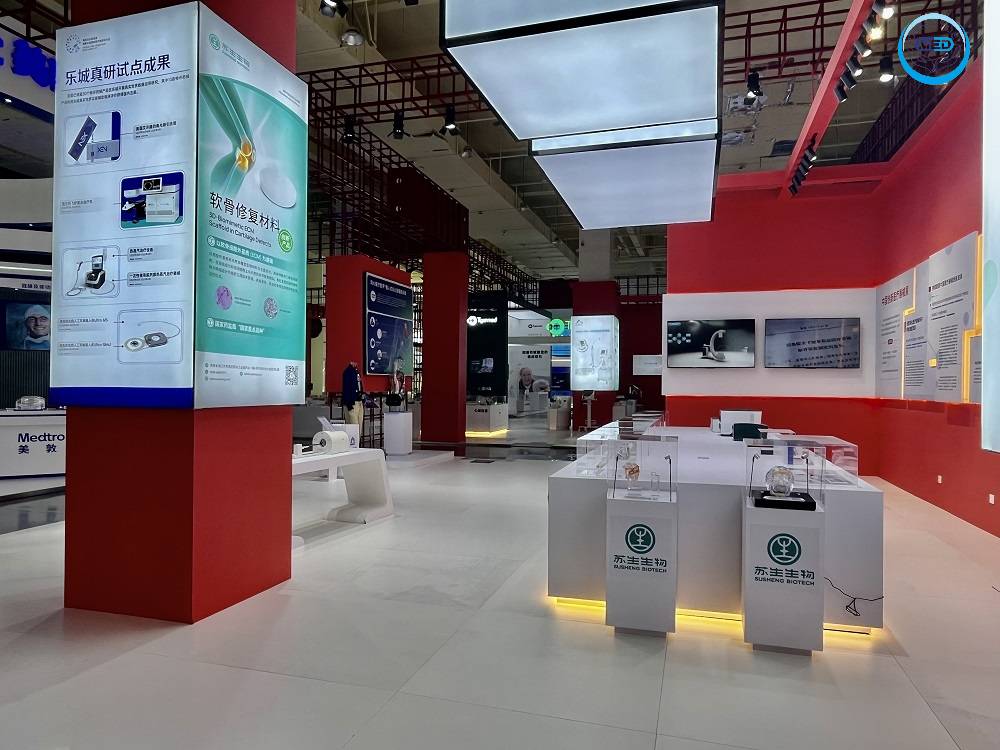
China's healthcare system is attracting more international patients through precision medicine, innovative therapies, efficient care pathways, and cost advantages, accelerating the growth of medical tourism and cross-border healthcare.
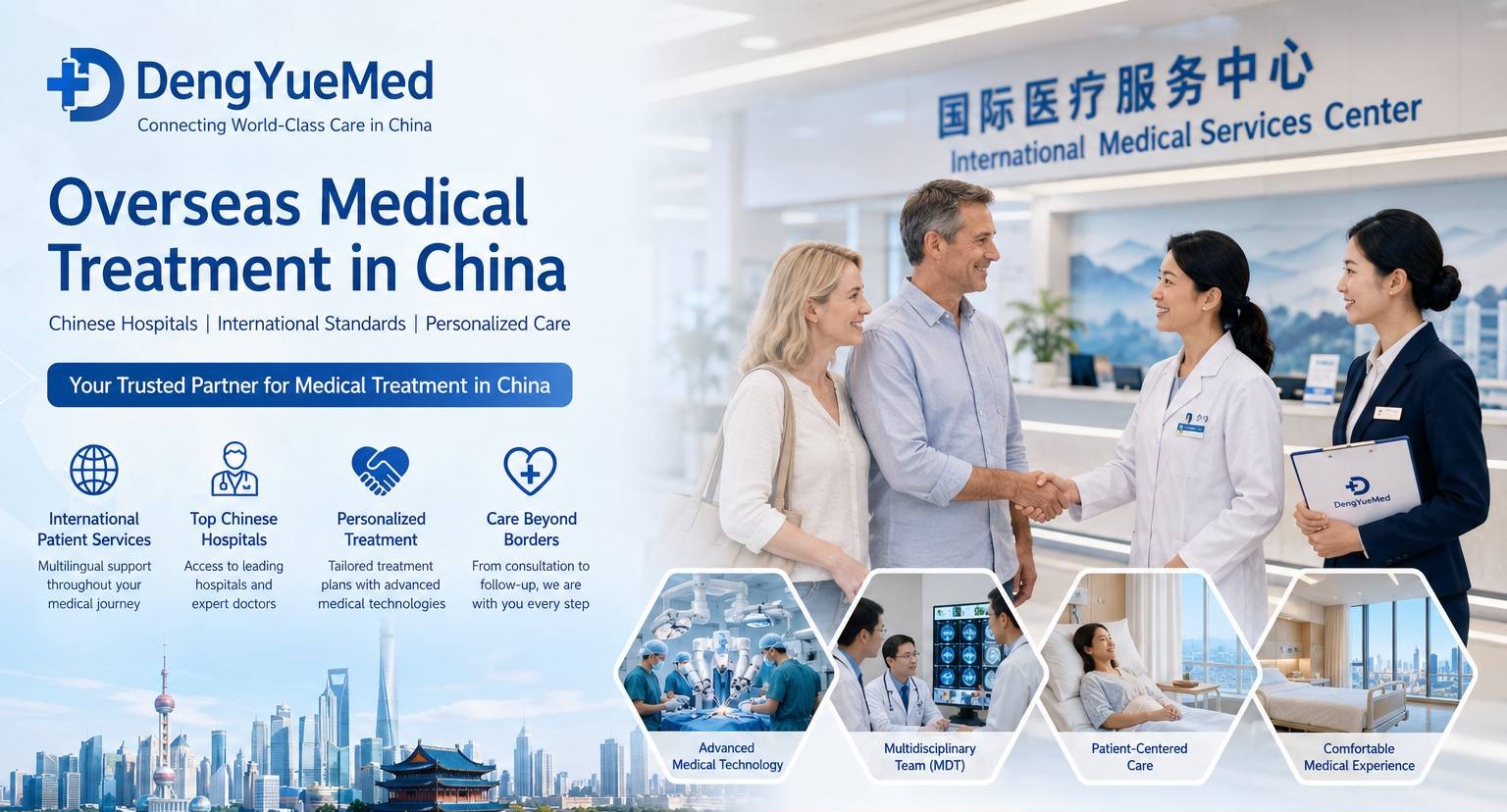
From Seeking Medical Care in China to Precision Medicine: Comprehensive Upgrades in International Patient Services at Chinese Hospitals
As global demand for cross-border healthcare continues to grow, an increasing number of overseas patients are turning their attention to China.
From precision cancer therapy and cell therapy to complex surgeries, premium health screenings, and rehabilitation management, China’s healthcare system is attracting international patients through more internationalized, efficient, and precision-focused medical services.
With continuous advances in medical technology, the improvement of international patient service systems, and optimized visa policies, seeking medical treatment in China is no longer a niche option. It is rapidly becoming an important trend in global medical tourism and international healthcare cooperation.
Why Is China Emerging as a New Destination for International Patients?
In the past, international patients tended to seek treatment in countries such as the United States, Japan, Germany, or Singapore. However, in recent years, China has experienced rapid development across multiple medical fields and is gradually establishing new international competitiveness.
In particular, China’s healthcare system is gaining recognition from more overseas patients in the following areas:
1. Rapid Development of Precision Medicine
Many leading tertiary hospitals in China have established precision medicine centers, making continuous progress in:
- Tumor genetic testing
- Targeted therapy
- Immunotherapy
- Personalized treatment planning
Examples include:
- PD-1/PD-L1 immunotherapy
- CAR-T cell therapy
- Bispecific antibody therapy
- AI-assisted imaging diagnosis
- Multi-omics genetic testing
The accelerating clinical application of these advanced technologies is creating more treatment possibilities for patients with complex diseases.
2. Accelerated Access to Innovative Drugs and Advanced Therapies in China
In recent years, China has significantly accelerated the approval process for innovative medicines, with many domestic innovative drugs launching almost simultaneously with international markets.
In areas such as lung cancer, gastric cancer, liver cancer, lymphoma, autoimmune diseases, and rare diseases, Chinese hospitals are now able to provide:
- Targeted therapies
- Immunotherapies
- Stem cell therapies
- Cell and gene therapies
- Access to clinical trials
For many patients, one of the key reasons for choosing China is the opportunity to access advanced treatment options and innovative medications more quickly.
Precision Medicine Is Reshaping China’s International Healthcare Landscape
Compared with traditional treatment models, precision medicine places greater emphasis on individualized care.
Chinese hospitals are gradually shifting from a “disease-treatment-centered” model toward “precision diagnosis + full-cycle health management.”
1. Cancer Treatment Has Entered the Era of Personalization
In oncology, more hospitals are now developing treatment plans based on:
- Genetic testing results
- Tumor classification
- Immune microenvironment analysis
- Drug resistance mechanisms
- Individual patient conditions
This means that even patients with the same type of cancer may receive completely different treatment strategies.
2. AI and Digital Healthcare Improve Diagnostic Efficiency
China has made rapid progress in AI-powered healthcare in recent years.
Some hospitals have already integrated AI into:
- Imaging-assisted diagnosis
- Pathology analysis
- Tumor screening
- Medical data management
- Telemedicine platforms
These technologies not only improve diagnostic efficiency but also enable international patients to receive preliminary remote evaluations before traveling to China.
Medical Tourism and Premium Health Management Are Developing Simultaneously
Beyond the treatment of major diseases, China’s premium health management market is also attracting growing international attention.
More overseas visitors are traveling to China for medical tourism. Cross-border healthcare is no longer limited to treating serious illnesses alone. Increasingly, international patients and high-net-worth individuals are focusing on preventive medicine, chronic disease management, anti-aging care, and long-term wellness maintenance.
As a result, China’s medical tourism industry is entering a new phase where “treatment + health management” develop in parallel.
Many Chinese cities are continuously improving international healthcare service systems while integrating healthcare, wellness, tourism, and health management resources.
In particular, Beijing, Shanghai, Guangzhou, Shenzhen, and Hainan are becoming hubs for premium international healthcare services, attracting more overseas visitors seeking comprehensive medical and wellness experiences.
Growing Demand for Premium Health Screenings
Compared with conventional checkups, modern premium health management places greater emphasis on early disease screening and personalized risk assessment.
Today, many Chinese hospitals and international medical centers are able to provide:
- Early cancer screening
- Cardiovascular and cerebrovascular risk assessment
- Genetic testing
- AI-assisted imaging screening
- Chronic disease intervention
- Precision nutrition management
Some institutions also combine family medical history, lifestyle factors, and genetic data to develop long-term personalized health management plans.
Efficiency and Cost Advantages: A Sharp Contrast Between Chinese and Western Healthcare Systems
Behind the growing influx of international patients to China lies a rational response to the imbalance between accessibility and affordability in global healthcare systems.
Major Western healthcare systems continue to face deep structural challenges.
According to key statistics from the UK's National Health Service (NHS), by August 2025, the number of patients waiting for treatment in England exceeded 7.4 million cases, with an average waiting time of 42 weeks.
Meanwhile, the U.S. healthcare system continues to struggle with the dilemma of “high costs and limited coverage.”
In 2023:
- Approximately 25.3 million Americans lacked health insurance
- Per capita healthcare spending reached USD 15,474
- 44% of U.S. adults reported difficulty affording medical expenses
In sharp contrast, China offers significant advantages in both efficiency and cost.
At many top-tier Chinese hospitals:
- Average outpatient waiting times are often under 30 minutes
- Emergency response times may be as fast as 5 minutes
- MRI and other imaging examinations that may require six weeks of waiting in some Western countries can often be completed on the same day in China
In terms of cost, medical services of comparable quality in China may cost several times less than those in developed Western countries.
Chinese healthcare experts have also noted that China’s diagnostic and treatment efficiency often surpasses that of many traditionally developed countries, while treatment costs are frequently only one-third to one-half of those in Europe, the United States, or Japan.
This dual advantage of efficiency and affordability is especially attractive to middle- and lower-income international patients and individuals without comprehensive insurance coverage, leading more overseas patients to choose to fly to China for treatment.
Conclusion
Looking ahead, as precision medicine, digital healthcare, and international medical cooperation continue to deepen, China’s medical tourism industry is expected to move further toward high-quality, internationalized, and personalized development.
This evolution will provide global patients and health-conscious consumers with more diverse healthcare choices and advanced medical solutions.
As a professional platform focused on international healthcare and overseas patient services, DengYueMed continues to monitor the development of China’s innovative medical landscape, helping more international patients better understand China’s healthcare system, connect with high-quality medical resources, and obtain more efficient and personalized medical experiences in China.